Cancer treatment has evolved significantly over the years, and advances in surgical technology have created new options for treating certain types of cancer. One such development is robotic-assisted surgery, which allows surgeons to perform specific procedures using advanced technology designed to support precision and control.
At Arogyam Care, patients can receive guidance on whether robotic-assisted surgery may be suitable for their individual condition. Consulting the Best cancer surgeon in Gurgaon can help patients understand the available surgical options and make informed decisions about their treatment.
What Is Robotic-Assisted Cancer Surgery?
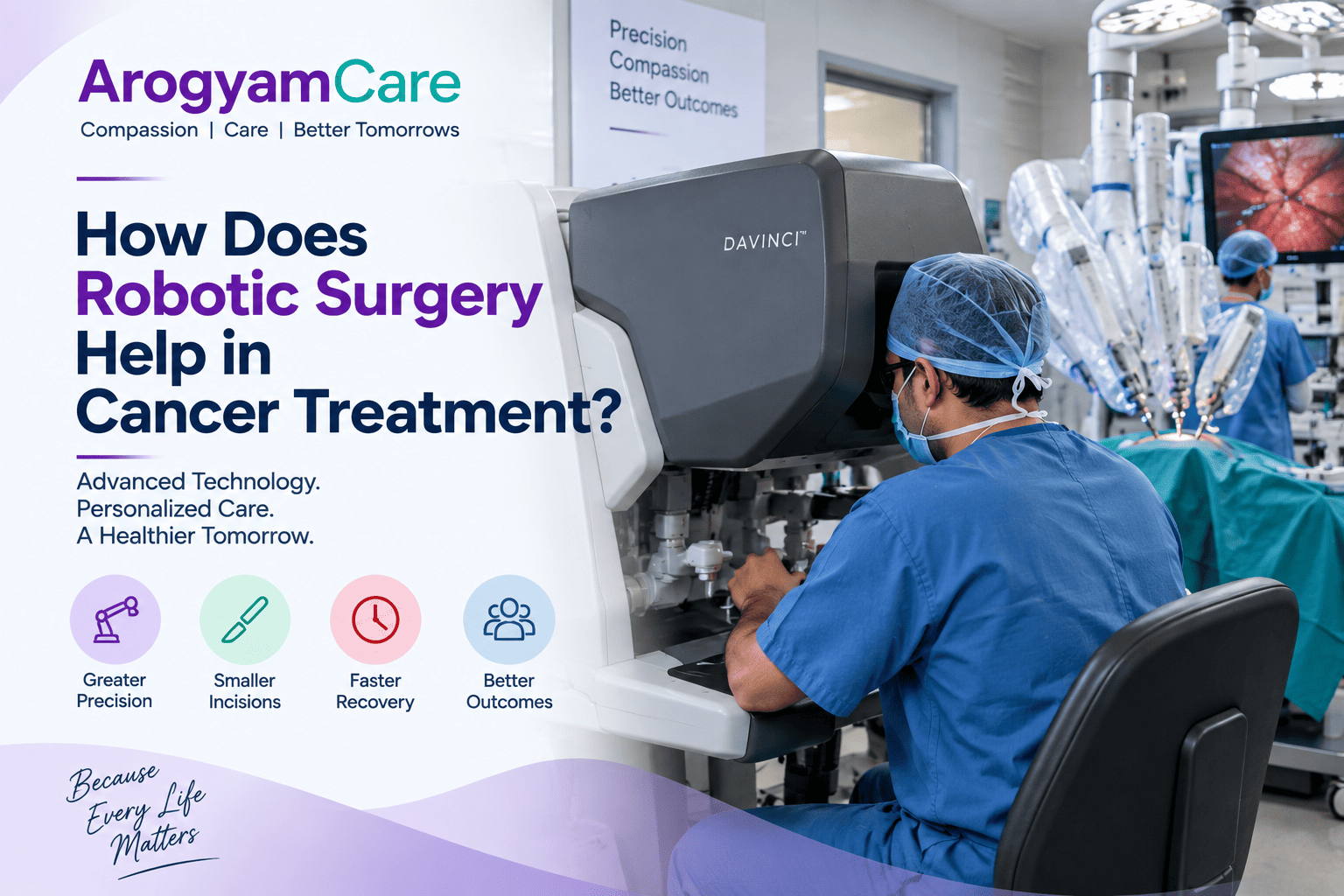
Robotic-assisted surgery is a type of minimally invasive surgical procedure in which the surgeon controls robotic instruments from a specialized console. The technology does not replace the surgeon. Instead, it provides additional support by allowing the surgeon to control precise instruments and view the surgical area in greater detail.
The robotic system may offer enhanced visualization and flexibility during certain procedures. However, the suitability of this approach depends on the patient’s condition, the type of cancer, and several other medical factors.
How Does Robotic Surgery Help During Cancer Treatment?
Robotic technology can assist surgeons during selected cancer procedures by providing improved precision and control. The instruments used in robotic-assisted surgery can move in ways that may help surgeons work within complex or difficult-to-reach areas of the body.
Depending on the procedure, robotic-assisted surgery may offer several potential advantages.
Greater Surgical Precision
The technology can support precise movements during complex procedures. This may be particularly helpful when operating near important nerves, blood vessels, or other delicate structures.
Smaller Incisions
Many robotic-assisted procedures are performed using smaller incisions compared with some traditional open surgeries. Smaller incisions may reduce the impact on surrounding tissues in selected cases.
Enhanced Visualization
Robotic systems can provide the surgeon with a detailed and magnified view of the surgical area. Better visualization may help the surgical team navigate complex anatomical structures.
Potentially Faster Recovery
Some patients may experience a shorter recovery period following minimally invasive surgery. However, recovery varies based on the type and extent of surgery, the patient’s overall health, and the specific cancer being treated.
Which Types of Cancer May Be Treated with Robotic Surgery?
Robotic-assisted surgery may be considered for certain types of cancer depending on the location and stage of the disease. It can be used in selected procedures involving areas such as the prostate, kidneys, bladder, lungs, colon, and other parts of the body.
However, robotic surgery is not appropriate for every patient or every type of cancer. A detailed medical evaluation is necessary before deciding on the most suitable surgical approach.
What Happens Before Robotic Cancer Surgery?
Before recommending robotic-assisted surgery, the healthcare team will review the patient’s medical history, diagnostic reports, imaging results, and overall health.
The surgeon will discuss the treatment plan and explain what the procedure involves. Patients should also ask questions about the expected benefits, possible risks, recovery process, and whether alternative treatment options are available.
An experienced surgical specialist can help patients understand whether this approach is appropriate for their specific condition.
What Can Patients Expect During Recovery?
Recovery after robotic surgery can differ from one patient to another. The duration of hospital stay and return to normal activities will depend on the type of procedure performed.
Patients should carefully follow their doctor’s instructions regarding:
- Wound care
- Medication
- Physical activity
- Diet and nutrition
- Follow-up appointments
Although minimally invasive procedures may offer certain benefits, patients should not assume that every recovery will follow the same timeline.
Are There Any Risks Associated with Robotic Surgery?
Like any surgical procedure, robotic-assisted surgery involves potential risks. These may vary depending on the procedure and the patient’s individual health condition.
The healthcare team will explain the possible risks and benefits before treatment. Patients should discuss all their concerns and provide complete information about their medical history before undergoing surgery.
Why Is Choosing the Right Surgeon Important?
Advanced technology is only one part of successful cancer care. The experience and clinical judgement of the surgical team play an important role in planning and performing cancer surgery.
Choosing the Best cancer surgeon in Gurgaon involves considering factors such as experience, expertise in the required procedure, communication, and the availability of comprehensive cancer care. Patients should take time to understand their options and discuss the recommended treatment approach with their healthcare team.
Personalized Cancer Care at Arogyam Care
At Arogyam Care, cancer treatment is approached based on each patient’s individual diagnosis and medical needs. Our team focuses on helping patients understand the available treatment options and providing guidance throughout their care journey.
Robotic-assisted surgery may be considered as part of a broader treatment plan when clinically appropriate. The right approach depends on the patient’s specific condition and should always be determined after a proper medical evaluation.
Conclusion
Robotic-assisted surgery has expanded the options available for certain cancer procedures by supporting greater precision, enhanced visualization, and minimally invasive surgical techniques. However, it may not be the right choice for every patient.
At Arogyam Care, patients can receive professional guidance to understand their surgical options and treatment plan. Consulting an experienced cancer specialist can help patients and their families make informed decisions based on their individual medical needs.