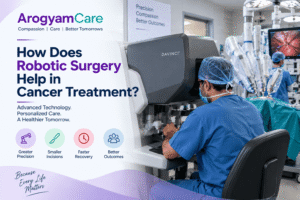
A cancer diagnosis can be overwhelming for patients and their families. From understanding the diagnosis to choosing the right treatment and managing follow-up care, every stage of the cancer journey requires careful medical guidance.
Choosing the Best cancer hospital in Gurgaon can help patients access coordinated care, appropriate diagnostic evaluation, specialist consultation, and treatment planning based on their individual condition.
Cancer care is not limited to a single treatment. Depending on the type and stage of cancer, treatment may involve surgery, chemotherapy, radiation therapy, immunotherapy, targeted therapy, hormone therapy, or a combination of these approaches.
At Arogyam Care, the focus is on helping patients understand their healthcare needs and make informed decisions with appropriate professional guidance.
What Role Does a Cancer Hospital Play in Cancer Treatment?
A cancer hospital can bring different areas of cancer care together, helping patients move through diagnosis, treatment, monitoring, and follow-up in a more coordinated way.
Cancer treatment often involves more than one healthcare professional. A cancer care team may include oncologists, surgeons, nurses, pharmacists, dietitians, and other healthcare professionals who work together according to the patient’s needs.
This coordinated approach can be particularly valuable when a patient requires multiple types of treatment or specialist opinions.
How Does the Best Cancer Hospital in Gurgaon Support Cancer Treatment?
1. Detailed Cancer Diagnosis
Accurate diagnosis is an important first step in developing a cancer treatment plan. Depending on the symptoms and suspected cancer type, doctors may recommend physical examinations, laboratory tests, imaging studies, or a biopsy.
There is no single test that diagnoses every type of cancer. A combination of medical history, examination, imaging, laboratory investigations, and sometimes biopsy may be required.
A comprehensive diagnostic process helps doctors understand what type of cancer may be present and determine the next steps.
2. Cancer Staging and Treatment Planning
After cancer is diagnosed, determining its stage is an important part of treatment planning. Staging helps doctors understand the extent of the disease, including factors such as the size of a tumour and whether it has spread to other parts of the body.
Based on the cancer type, stage, test results, and overall health, specialists can discuss suitable treatment options with the patient.
3. Personalized Treatment Plans
Cancer treatment is not the same for every patient. Two people with the same type of cancer may have different treatment plans because of differences in cancer stage, overall health, previous treatment, and other medical factors.
A personalized approach allows the healthcare team to consider the patient’s individual circumstances when discussing treatment options.
At Arogyam Care, patients can discuss their concerns and understand the possible treatment pathway based on their individual medical requirements.
4. Access to Multiple Cancer Treatment Options
Modern cancer care may include several treatment methods. Depending on the diagnosis, these can include:
- Surgery
- Chemotherapy
- Radiation therapy
- Immunotherapy
- Targeted therapy
- Hormone therapy
- Supportive and palliative care
The appropriate treatment or combination of treatments depends on the individual cancer diagnosis.
A qualified oncology team can explain why a particular treatment has been recommended and what patients may expect during the process.
5. Multidisciplinary Cancer Care
Complex cancer cases may require input from different medical specialists. A multidisciplinary approach allows specialists from different areas to collaborate when developing a patient’s treatment strategy.
This can help bring together expertise in areas such as medical oncology, surgical oncology, radiation oncology, diagnostic services, and supportive care.
Multidisciplinary cancer teams are widely used to coordinate cancer treatment and support decision-making.
6. Support During Cancer Treatment
Cancer treatment can involve physical and emotional challenges. Patients may have concerns about side effects, nutrition, fatigue, pain, daily activities, and the overall treatment process.
A supportive healthcare environment can help patients communicate these concerns with their medical team and receive appropriate guidance.
Patients should always discuss new or worsening symptoms and treatment-related side effects with their healthcare professionals rather than trying to manage them without medical advice.
7. Surgical Cancer Care When Required
For some cancers, surgery may be an important part of treatment. Surgical oncology focuses on the surgical management of cancer and may involve removing tumours or affected tissues when appropriate.
The suitability of surgery depends on the type, location, and stage of cancer, as well as the patient’s overall health.
Arogyam’s cancer-care information also highlights surgical oncology as part of cancer treatment, alongside medical and radiation oncology services.
8. Radiation and Medical Oncology
Radiation therapy and medical oncology can play important roles in cancer treatment. Radiation therapy uses carefully planned radiation to target cancer cells, while medical oncology may involve systemic treatments such as chemotherapy, targeted therapy, immunotherapy, or hormone therapy depending on the cancer.
The healthcare team determines which treatment is appropriate based on the individual diagnosis and treatment goals.
9. Follow-Up and Ongoing Monitoring
Cancer care does not necessarily end when the initial treatment is completed. Follow-up appointments can help doctors monitor the patient’s condition, assess treatment response, manage ongoing concerns, and determine whether additional care is needed.
The follow-up schedule varies depending on the type of cancer, treatment received, and individual health circumstances.
Why Is Choosing the Right Cancer Hospital Important?
When searching for the Best cancer hospital in Gurgaon, patients should consider more than just the hospital’s facilities.
Important factors can include:
- Qualified oncology specialists
- Appropriate diagnostic facilities
- Access to different treatment options
- Coordinated multidisciplinary care
- Personalized treatment planning
- Patient communication and support
- Follow-up and recovery care
Patients should also feel comfortable asking questions about their diagnosis, treatment choices, possible side effects, and expected follow-up.
What Should You Ask a Cancer Specialist?
Before starting treatment, patients may want to discuss questions such as:
- What type and stage of cancer do I have?
- What treatment options are available?
- Why is this treatment being recommended?
- Are additional tests required?
- What side effects should I expect?
- How long may the treatment take?
- What follow-up care will I need?
Understanding your treatment options can help you participate more confidently in healthcare decisions. The National Cancer Institute also recommends discussing treatment choices and potential side effects with your doctor.
Also Read: How Successful Is Liver Cancer Surgery in Gurgaon?
Why Consider Arogyam Care for Cancer Care?
If you are looking for the Best cancer hospital in Gurgaon, Arogyam Care can be considered when exploring professional cancer-care guidance and treatment options.
Every cancer case is different, so treatment should be planned according to the patient’s diagnosis, stage, medical history, and overall health. A qualified oncology team can help patients understand their condition and the treatment options that may be appropriate.
The goal of cancer care should be to provide appropriate medical treatment while also supporting the patient throughout diagnosis, treatment, recovery, and follow-up.
Final Thoughts
So, how does the Best cancer hospital in Gurgaon support cancer treatment? It can provide a coordinated approach that brings together diagnosis, cancer staging, specialist consultation, treatment planning, different treatment options, supportive care, and ongoing monitoring.
Choosing the right cancer-care provider is an important decision. Patients should consider the expertise of the medical team, available diagnostic and treatment options, personalized care, and the level of support provided throughout the treatment journey.
At Arogyam Care, patients can seek professional guidance to better understand their cancer-care needs and discuss appropriate treatment options with qualified healthcare professionals.