Choosing the right oncologist is an important decision when you or a loved one is facing cancer. Cancer treatment can involve diagnosis, staging, surgery, chemotherapy, radiation therapy, targeted therapy, immunotherapy, and long-term follow-up. The appropriate treatment depends on the type and stage of cancer, overall health, and individual medical needs.
If you are searching for the best oncologist in Gurgaon, it is important to look beyond online ratings and focus on qualifications, relevant experience, treatment expertise, communication, and the overall cancer care approach.
Arogyam Care can be considered when exploring cancer-care options and seeking professional guidance.
Who Is an Oncologist?
An oncologist is a doctor who specializes in the diagnosis and treatment of cancer. Depending on their specialization, oncologists may focus on different aspects of cancer care.
Common types include:
- Medical oncologists – primarily manage treatments such as chemotherapy, immunotherapy, targeted therapy, and other systemic treatments.
- Surgical oncologists – perform surgical procedures to diagnose or treat certain cancers.
- Radiation oncologists – specialize in radiation therapy for cancer treatment.
Cancer care may involve collaboration between multiple specialists to develop an appropriate treatment plan.
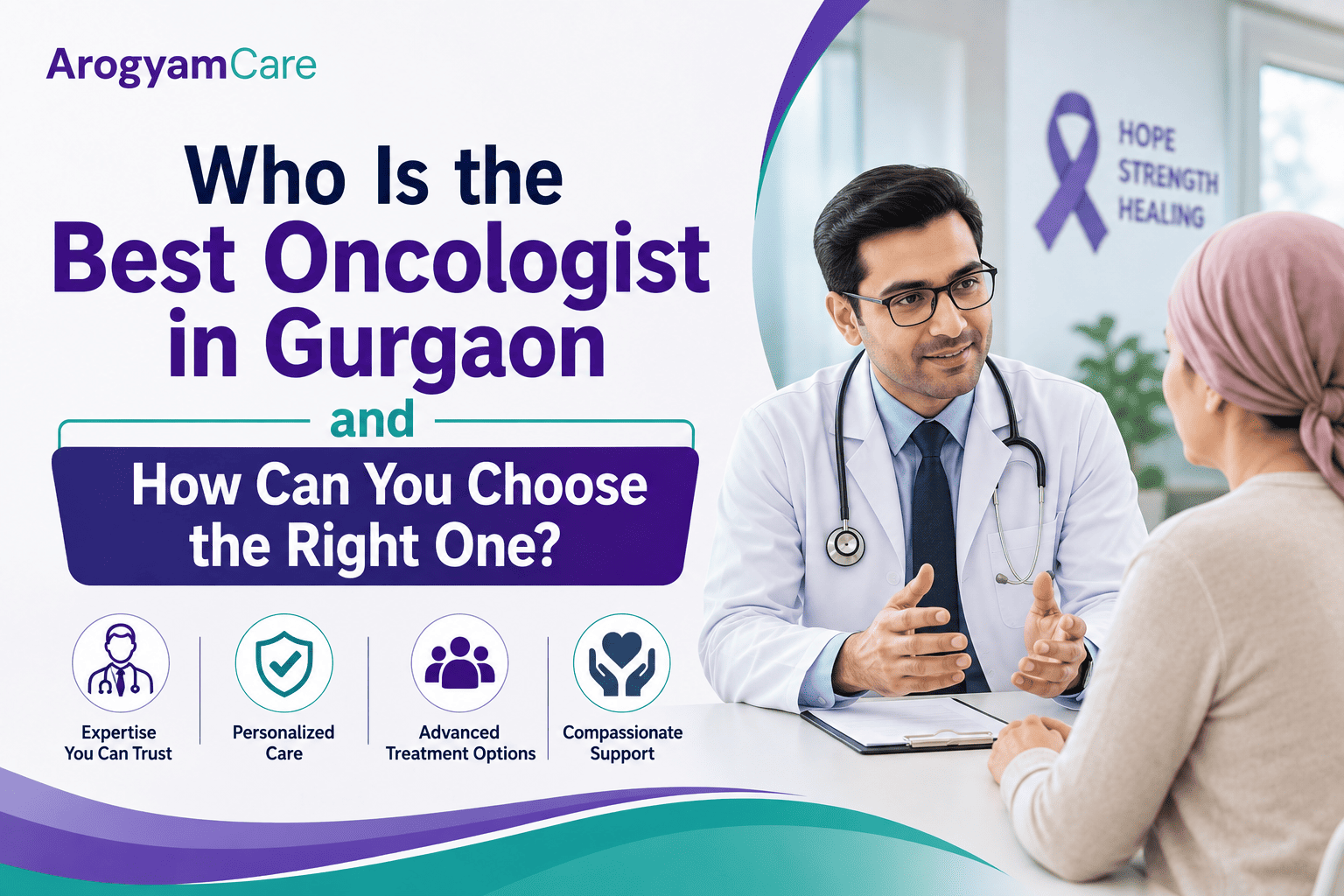
Who Is the Best Oncologist in Gurgaon?
There is no single oncologist who can be considered the best for every patient. The right oncologist depends on the patient’s diagnosis, cancer type and stage, treatment requirements, medical history, and personal preferences.
When searching for the best oncologist in Gurgaon, consider whether the doctor has relevant qualifications and experience with your particular type of cancer.
Instead of choosing a doctor solely because they are described as “the best,” focus on finding a qualified oncology professional who can provide appropriate evaluation and explain your treatment options clearly.
How Can You Choose the Right Oncologist?
Several factors can help you make a more informed decision when choosing an oncologist.
1. Check Qualifications and Specialization
Start by reviewing the oncologist’s medical qualifications, training, and specialization. Oncology is a broad field, so understanding the doctor’s area of expertise can help you determine whether it matches your healthcare requirements.
For example, a patient requiring systemic cancer treatment may need a medical oncologist, while another patient may require surgical or radiation oncology expertise.
2. Consider Experience With Your Cancer Type
Different cancers can require different treatment approaches. Ask whether the oncologist regularly manages cases similar to yours.
Relevant experience can be an important consideration when comparing options for the best oncologist in Gurgaon.
3. Understand the Treatment Approach
Cancer treatment may involve one or more approaches depending on the diagnosis. Ask your oncologist to explain:
- Your diagnosis
- Cancer stage, if applicable
- Available treatment options
- Recommended treatment approach
- Potential benefits and risks
- Possible side effects
- Expected treatment duration
- Follow-up requirements
Understanding the treatment plan can help you participate more confidently in healthcare decisions.
4. Look for a Multidisciplinary Approach
Cancer treatment can involve multiple specialists. Depending on the case, a treatment team may include medical oncologists, surgical oncologists, radiation oncologists, pathologists, radiologists, nurses, nutrition professionals, and other healthcare specialists.
A coordinated approach can be particularly valuable for patients whose treatment requires expertise from different medical disciplines.
5. Evaluate Communication
Cancer diagnosis and treatment can involve complex medical information. Your oncologist should be willing to explain your condition and treatment options in language you can understand.
During your consultation, notice whether the doctor:
- Listens to your concerns
- Answers your questions
- Explains treatment options clearly
- Discusses potential side effects
- Encourages informed decision-making
- Provides appropriate follow-up guidance
Good communication can help patients and families better understand the treatment journey.
6. Consider Diagnostic and Treatment Facilities
Cancer treatment often depends on accurate diagnosis and staging. Depending on the condition, investigations may include blood tests, imaging, biopsy, pathology, and other specialized assessments.
When evaluating cancer-care options, consider whether appropriate diagnostic and treatment facilities are available or accessible through the healthcare team.
7. Look at Patient Support Services
Cancer treatment can affect physical and emotional well-being. Supportive care may include pain management, nutritional support, psychological assistance, rehabilitation, and palliative care when appropriate.
Ask what support services are available during and after treatment.
8. Consider Follow-Up Care
Cancer care does not necessarily end after the initial treatment. Depending on the type of cancer and treatment, patients may require regular monitoring and follow-up consultations.
A healthcare provider that offers appropriate continuity of care can make long-term management more organized.
What Questions Should You Ask an Oncologist?
Before starting treatment, consider asking:
- What type and stage of cancer do I have?
- What treatment options are available?
- Which treatment do you recommend and why?
- Are additional tests required?
- What are the potential benefits and risks?
- What side effects should I expect?
- How long might the treatment take?
- Will I need to see other cancer specialists?
- What follow-up care will be required?
- What symptoms should require immediate medical attention?
Taking notes during your consultation can help you remember important information.
Why Is Choosing the Right Oncologist Important?
Cancer treatment can be complex and may continue over an extended period. The right oncology professional can help evaluate the diagnosis, discuss appropriate treatment options, coordinate care when needed, and monitor the patient’s progress.
However, choosing an oncologist should always be based on individual medical requirements rather than marketing claims or rankings alone.
Also Read: How Important Is a Cancer Surgeon’s Experience in Treatment?
Why Consider Arogyam Care?
Arogyam Care can be considered by patients looking for professional cancer-care guidance in Gurgaon. When exploring oncology options, patients should evaluate the available medical expertise, treatment approach, diagnostic support, patient communication, and follow-up care.
If you or a family member has been diagnosed with cancer, discuss the diagnosis and treatment options with a qualified oncology professional before making treatment decisions.
Frequently Asked Questions
How do I find the best oncologist in Gurgaon?
Look for an appropriately qualified oncologist with relevant experience in your type of cancer. Also consider treatment expertise, communication, multidisciplinary care, available facilities, patient support, and follow-up services.
What type of oncologist should I consult?
It depends on your diagnosis and treatment requirements. Medical, surgical, and radiation oncologists have different areas of expertise, and some patients may require care from more than one type of specialist.
What should I take to my first oncology appointment?
Take available medical records, pathology or biopsy reports, imaging reports, previous treatment details, medication information, and a list of questions or concerns you want to discuss.
Is online rating enough to choose an oncologist?
No. Reviews may provide general insights, but qualifications, relevant experience, treatment expertise, communication, and your individual medical requirements are also important.
Can cancer treatment involve multiple specialists?
Yes. Depending on the cancer type and treatment plan, patients may receive care from medical, surgical, and radiation oncology specialists along with other healthcare professionals.
Conclusion
Finding the best oncologist in Gurgaon should involve careful consideration rather than relying solely on online rankings or promotional claims. Qualifications, relevant cancer-treatment experience, specialization, communication, multidisciplinary care, treatment facilities, patient support, and follow-up services are all important factors.
If you are exploring cancer-care options in Gurgaon, Arogyam Care can be considered as part of your search for professional healthcare guidance. Speak with a qualified oncologist to understand your diagnosis and determine which treatment approach is appropriate for your individual condition.