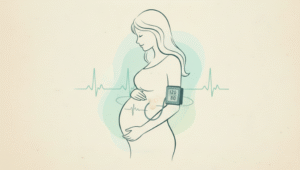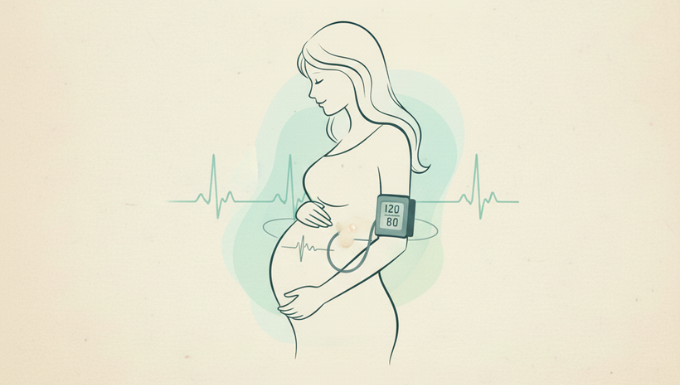
If your blood pressure is rising during pregnancy, take action early. Uncontrolled high BP in pregnancy can lead to preeclampsia, premature delivery, fetal growth restriction, placental abruption, and long-term heart disease. Regular antenatal checkups, a healthy diet, stress control, and doctor-prescribed medication greatly reduce risks for both mother and baby.
Key Points Before You Continue
- Know your numbers: Normal BP is below 120/80 mmHg. Persistent readings ≥140/90 mmHg need medical evaluation.
- Timing matters: High BP after 20 weeks may indicate gestational hypertension or preeclampsia.
- Discuss tests: Ask your clinician for baseline tests-BP trend, urine protein, blood tests, and fetal growth scans.
The 5 Major Dangers of High Blood Pressure in Pregnancy
1. Preeclampsia – The Most Serious Risk
Preeclampsia is high BP plus organ stress (protein in urine, liver/kidney issues).
Common symptoms:
- Severe headache
- Vision changes
- Upper abdominal pain
- Sudden swelling
If untreated, it can progress to eclampsia (seizures) and endanger both mother and baby. Early diagnosis is life-saving.
2. Premature Delivery
High BP reduces placental blood flow, which may lead to delivery before 37 weeks. Premature babies may face breathing issues, feeding problems, and developmental delays. Early monitoring helps prolong pregnancy safely when possible.
3. Fetal Growth Restriction (IUGR)
High BP narrows placental vessels, limiting oxygen and nutrients. This leads to IUGR, where the baby does not grow properly. Regular growth scans help guide treatment and delivery decisions.
4. Placental Abruption
Pregnancy hypertension increases the risk of the placenta detaching early-a medical emergency.
Red flags include:
- Sudden severe abdominal pain
- Vaginal bleeding
Immediate hospital care is essential.
5. Long-Term Heart Risks for the Mother
Women with hypertension in pregnancy have a 2–3X higher lifetime risk of heart disease, stroke, and chronic hypertension. Postpartum follow-ups are crucial for long-term health.
How to Prevent and Manage High BP During Pregnancy
✔ Attend all antenatal visits
Regular BP checks and urine tests help detect complications early.
✔ Eat a pregnancy-friendly, low-sodium diet
Focus on:
- Fruits & vegetables
- Whole grains
- Potassium-rich foods (banana, sweet potato)
- Reduced processed foods
✔ Stay active with doctor-approved exercise
30 minutes of walking daily helps maintain healthy BP.
✔ Manage stress
Practice meditation, deep breathing, and ensure proper sleep.
✔ Take prescribed medications
Modern antihypertensives are pregnancy-safe and far safer than uncontrolled BP.
✔ Know emergency warning signs
Seek immediate care if you experience:
- Severe headache
- Vision problems
- Upper abdominal pain
- Sudden swelling
- Vaginal bleeding
After Delivery: Protect Your Long-Term Heart Health
High BP in pregnancy is an early warning sign. Schedule postpartum BP checks and discuss heart-health strategies with your doctor to reduce long-term cardiovascular risks.
Bottom Line
High blood pressure in pregnancy is common but manageable. With early detection, consistent antenatal care, lifestyle changes, and timely treatment, you can protect yourself and your baby from serious complications.