Rectal Prolapse
What Is Rectal Prolapse and How Can It Be Treated?
Rectal prolapse is a condition where the rectum slips out through the anus, causing pain and bowel problems. It can affect both children and rectal prolapse in adults. If not treated on time, it may lead to complications. Arogyam Care offers expert rectal prolapse treatment, whether it’s Ayurvedic treatment of rectal prolapse, home remedy for rectal prolapse treatment, or advanced surgery for rectal prolapse. Consult the best doctor for rectal prolapse or the best surgeon for rectal prolapse treatment at our center. We’re known as the best hospital for rectal prolapse in Gurgaon offering quality care at an affordable hospital for rectal prolapse treatment.
What is Rectal Prolapse?
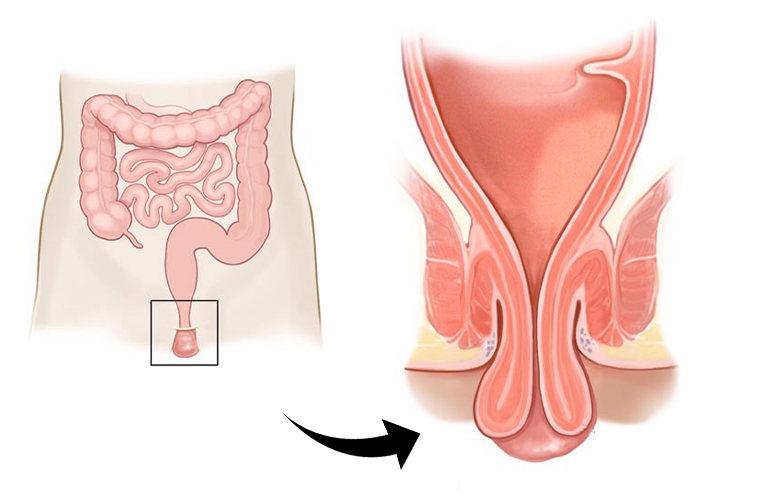
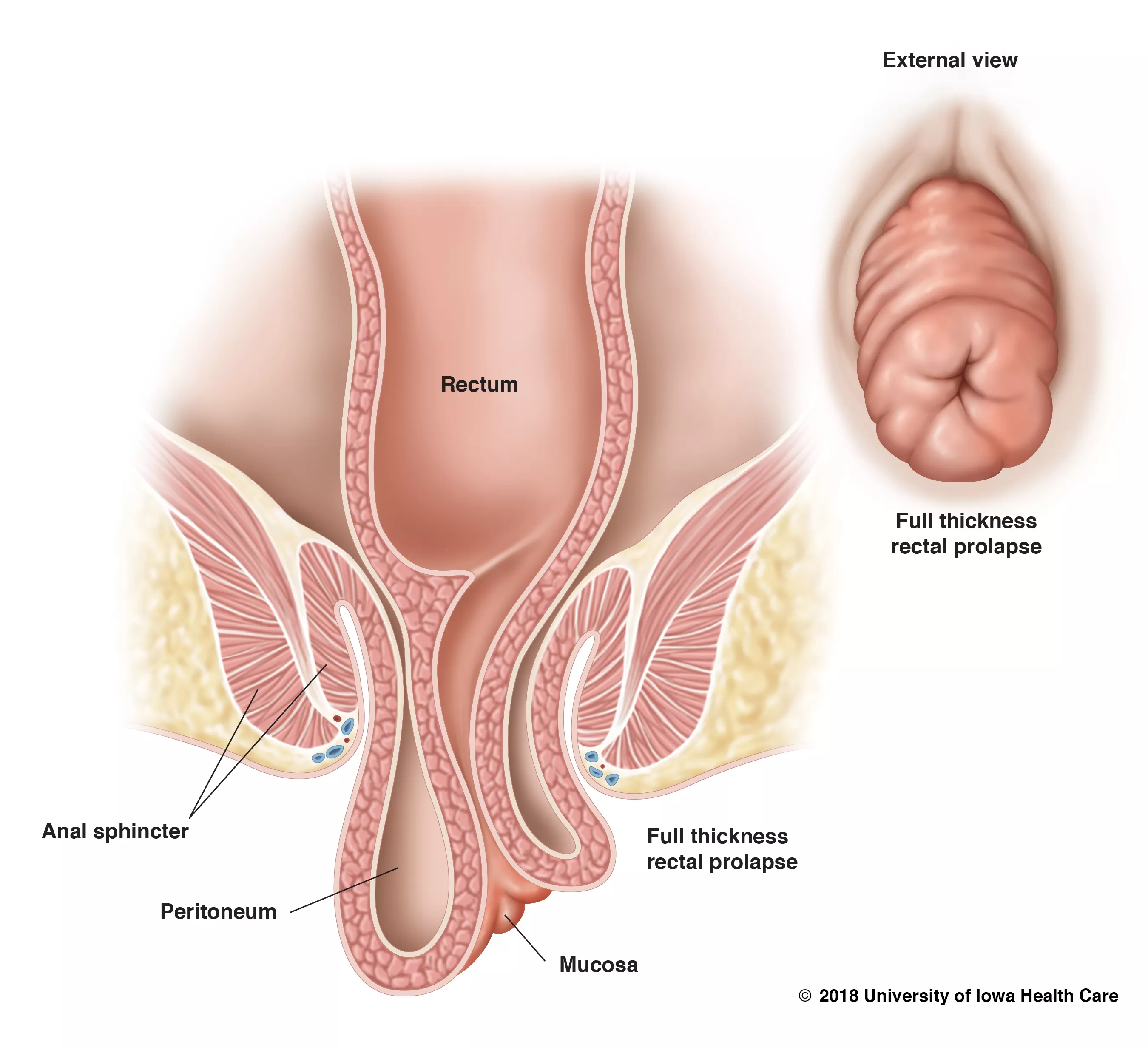
Rectal prolapse occurs when the rectum loses its support structures and starts slipping down. It is classified into three types:
- Partial (Mucosal) Prolapse – Only the inner lining (mucosa) of the rectum pushes through the anus, usually seen in children.
- Complete (Full-Thickness) Prolapse – The entire rectal wall protrudes out through the anus.
- Internal Prolapse (Intussusception) – The rectum folds into itself but does not extend outside the anus.
Treatment Cost Calculator
Statistics on Rectal Prolapse in India
- Rectal prolapse is more common in elderly individuals and women who have had multiple childbirths.
- Studies suggest that 1 in 5,000 adults in India suffers from rectal prolapse, though many cases go unreported.
- The condition is more prevalent in rural areas due to chronic constipation and lack of medical awareness.
- The condition is more prevalent in rural areas due to chronic constipation and lack of medical awareness.
Causes of Rectal Prolapse
- Chronic constipation or diarrhea – Excessive straining weakens the rectal muscles
- Aging – Natural weakening of pelvic floor muscles with age.
- Pregnancy and childbirth – Multiple vaginal deliveries can damage pelvic floor support.
- Neurological disorders – Conditions like spinal cord injuries, stroke, or multiple sclerosis.
- Weak pelvic floor muscles – Due to prolonged sitting, obesity, or lack of exercise.
- Surgical history – Previous rectal or pelvic surgeries can increase the risk.
Symptoms of Rectal Prolapse
Recognizing the symptoms early can help in timely intervention. Common symptoms include:
- A bulging mass or lump protruding from the anus (especially after a bowel movement).
- Chronic constipation or fecal incontinence (difficulty controlling bowel movements).
- Rectal bleeding or mucus discharge.
- Pain and discomfort in the anal region.
- A sensation of incomplete bowel emptying.
Diagnosis of Rectal Prolapse
Early detection plays a vital role in successful treatment. Arogyam Care offers advanced diagnostic facilities, including:
Physical Examination
A doctor may ask the patient to strain as if passing a stool to observe any rectal protrusion.
Proctoscopy or Sigmoidoscopy
A camera-based test to examine the rectum and detect abnormalities.
Defecography
A special X-ray or MRI scan to evaluate bowel movement dynamics.
Colon Transit Study
To check for underlying causes like chronic constipation.
Anorectal Manometry
Assesses the strength of rectal muscles and nerve function.
Treatment Options for Rectal Prolapse
Non-Surgical Treatment
Dietary and Lifestyle Modifications
High-fiber diet, increased fluid intake, and stool softeners.
Pelvic Floor Exercises (Kegel Exercises)
Strengthen pelvic muscles to prevent prolapse progression.
Bowel Training
Regulating bowel habits to minimize straining.
Pessary Use
A device inserted into the rectum to provide support (usually in elderly patients).
Surgical Treatment Options
Rectopexy (Abdominal Surgery)
The rectum is repositioned and secured using sutures or mesh. This procedure is commonly performed laparoscopically (minimally invasive).
Pelvic Floor Exercises (Kegel Exercises)
Strengthen pelvic muscles to prevent prolapse progression.
Bowel Training
Regulating bowel habits to minimize straining.
Pessary Use
A device inserted into the rectum to provide support (usually in elderly patients).
Latest Technology
Laparoscopic Surgery – Minimally invasive with shorter hospital stays.
Robotic-Assisted Surgery – Enhanced precision and faster healing.
3D Imaging & AI Diagnostics – Improved accuracy in identifying rectal dysfunction.
Biofeedback Therapy – Aids in pelvic floor rehabilitation and recovery.
Prevention Tips
At Arogyan Care, we focus on not just treatment but also preventive care for long-term well-being.
Maintain a high-fiber diet (fruits, vegetables, whole grains) to avoid constipation
Practice pelvic floor exercises to strengthen rectal muscles.
Avoid prolonged straining during bowel movements.
Manage chronic conditions like diabetes and neurological disorders effectively.

Why Choose Arogyam Care for Rectal Prolapse Treatment?
Rectal prolapse can cause pain, discomfort, and difficulty in bowel movements. At Arogyam Care, we provide trusted and effective rectal prolapse treatment for both children and rectal prolapse in adults.
Why patients prefer Arogyam Care:
- Treated by the best doctor for rectal prolapse and skilled surgeons
- Advanced laparoscopic surgery for rectal prolapse
- Affordable hospital for rectal prolapse treatment with clear pricing
- Supportive care, including Ayurvedic treatment of rectal prolapse
- Full recovery plans with physiotherapy and diet guidance
Looking for the best hospital for rectal prolapse in Gurgaon? Arogyam Care is your trusted choice for safe and lasting recovery.